Playing With Fire
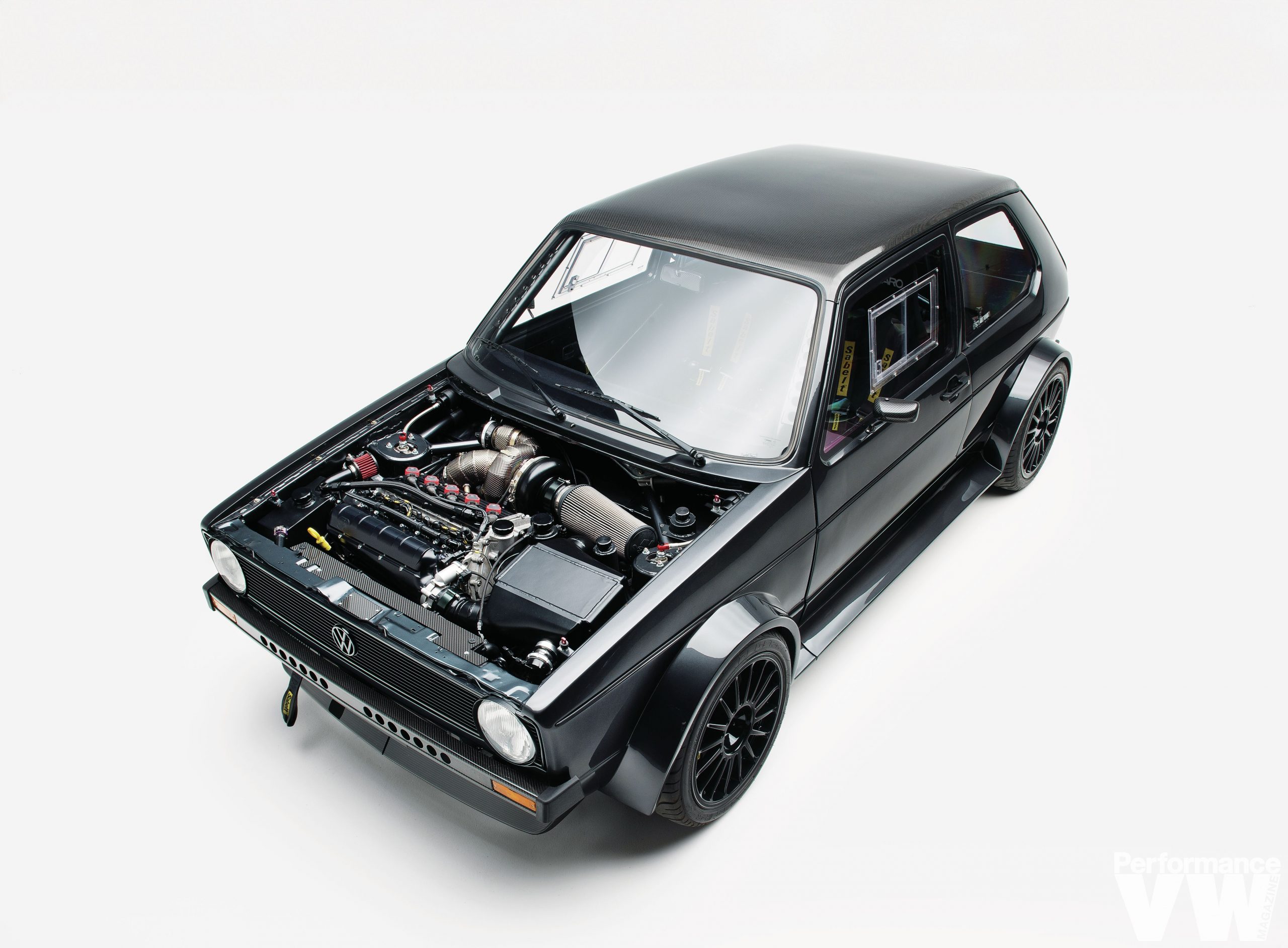
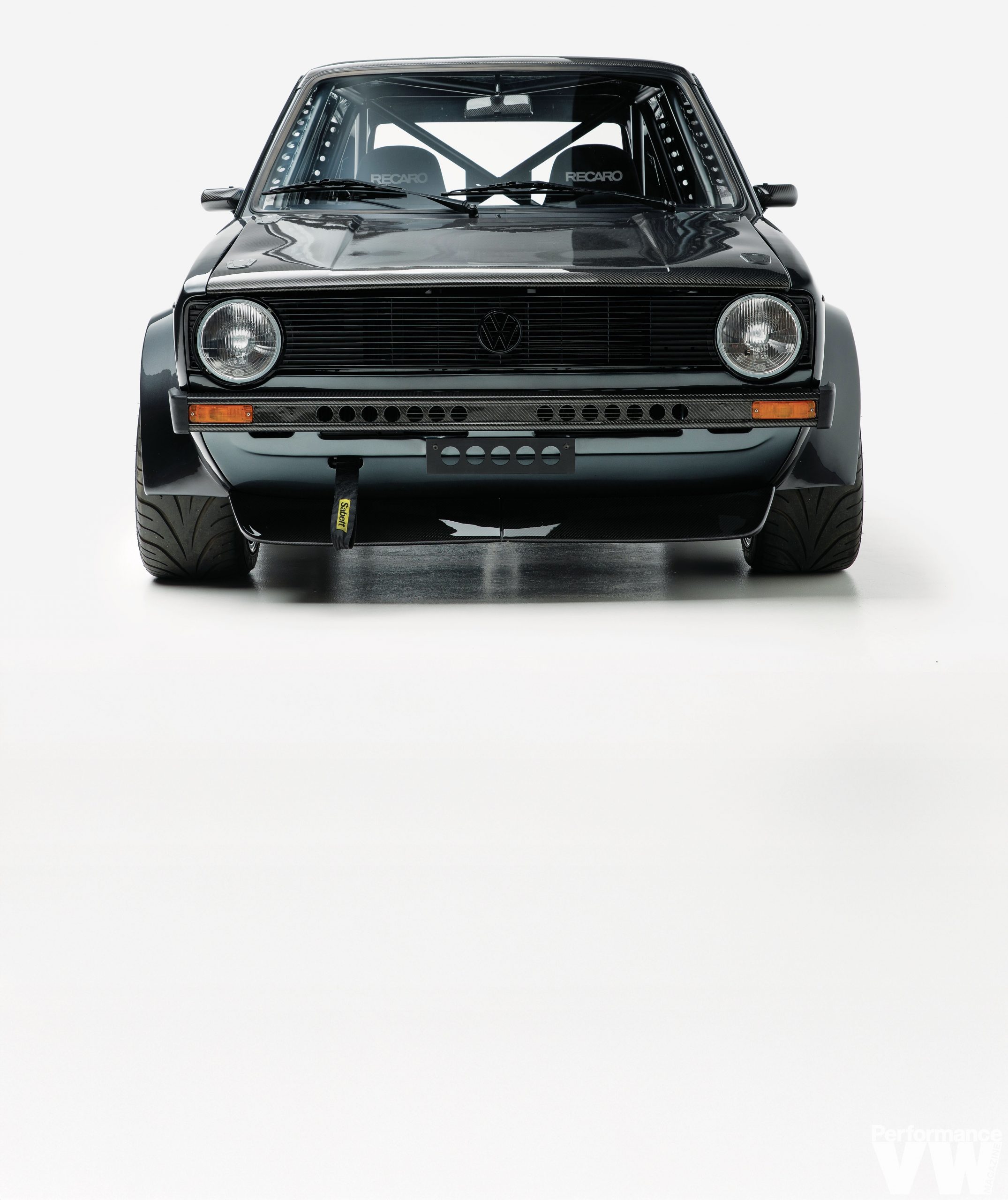
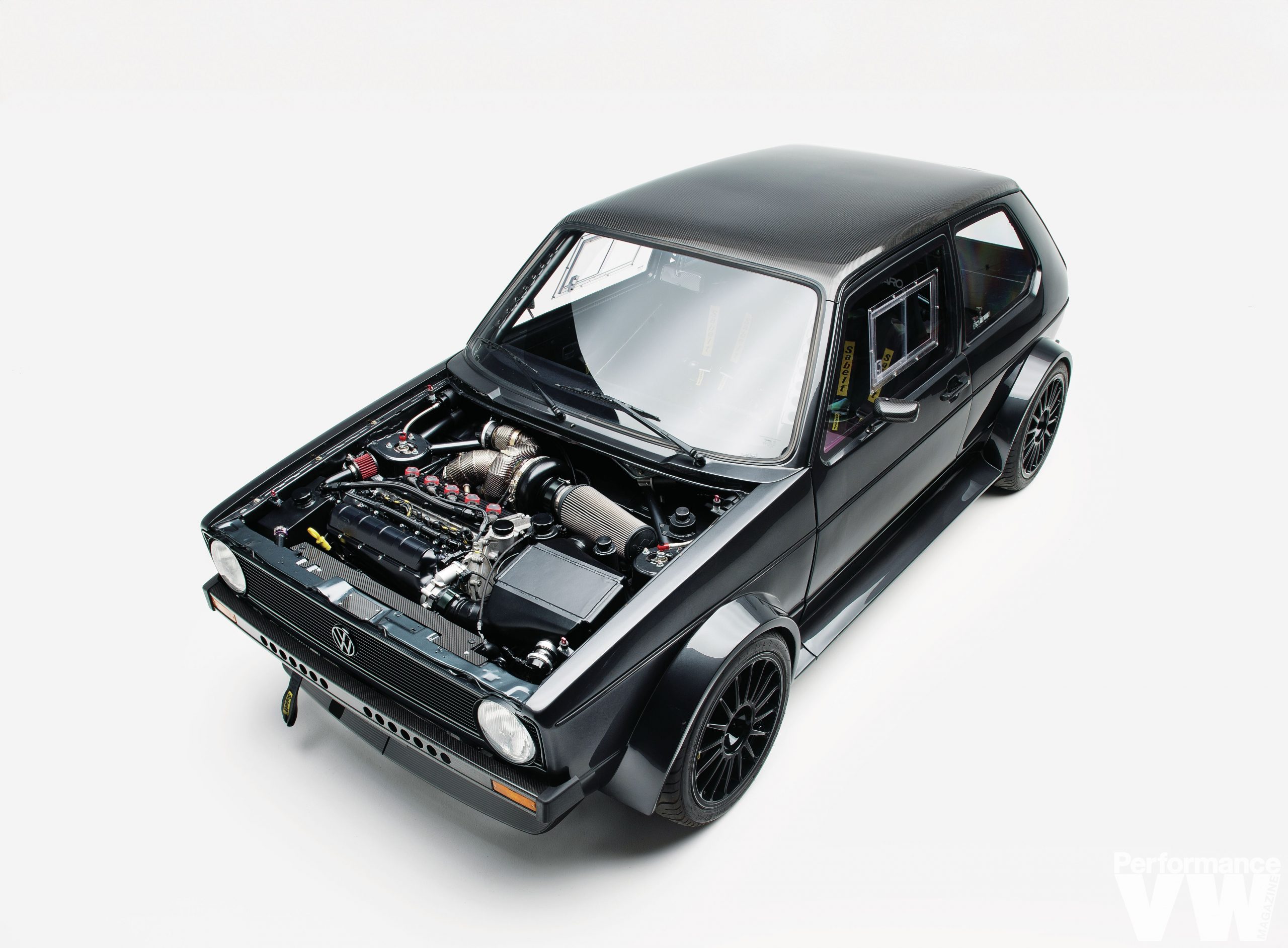
Weighing in at just over a tonne and putting more than 1000hp to the road through all four wheels, Ricardo Kruijf’s motorsport-inspired Mk1 shows there’s still room to raise the bar with the earliest Golfs.
Car designers talk a lot about visual DNA, especially when they’re penning an evolutionary (and important) product like a new Volkswagen Golf. From the earliest Swallowtail Mk1s to the latest Mk8s, there are subtle design cues that make a Golf a Golf – and a little of this also washes through into the modified scene. Take Ricardo Kruijf’s Mk1 as an example. It’s unmistakeably a Mk1 Golf, if also proportionally closer to a designer’s mood board sketch than anything that went into production. But you’ll need a broad vocabulary to avoid running out of superlatives once you get under the skin.
“The first time we put it on the dyno, the compression ratio was too high for my target power output, and we only achieved 891hp,” he tells us, casually throwing down the sort of mechanical fury that most projects only ever dream of. “We took the engine apart and had the pistons machined and CNC-milled to lower the compression from 10.1:1 to 8.7:1. With a few small changes, it’s making 1,013hp and 1,000Nm.”
Yikes. And if you think brute force is impressive on its own, it’s only one element of a machine that’s been comprehensively re-engineered since 20-year-old Ricardo trailered what was a tired 1.1-litre Mk1 from Germany to his hometown of Waalwijk in the Netherlands way back in 2010. The plan was a lightly chromed show-worthy restomod to replace the Mk4 R32 lookalike he’d built beforehand, and that might well have put it back on the road sooner than the 15 years it’s taken to get to this point. But good things come to those who wait, right?
“I have always loved the Mk1,” he continues. “In my eyes, it’s one of the best looking Golf models, and I didn’t want to lose that, but as times change you have to do crazier things than most guys to stand out. Almost everything on the car is custom, which makes it more challenging, but I’ve always enjoyed figuring things out. That’s what makes a project fun, even if it doesn’t work the first time.”
Increasingly ambitious ideas weren’t the only sticking point for a quick turnaround. As a largely home-built project, the Golf has taken shape in the snippets of spare time left by his 70-hour-a-week job as a route planner and truck driver for a waste recycling company – and, of course, his girlfriend and his dog. But some of the underlying experience was already in place. Ricardo grew up helping his Dad restore classic Beetles, including learning how to weld, and he’s clearly put it to good use here.
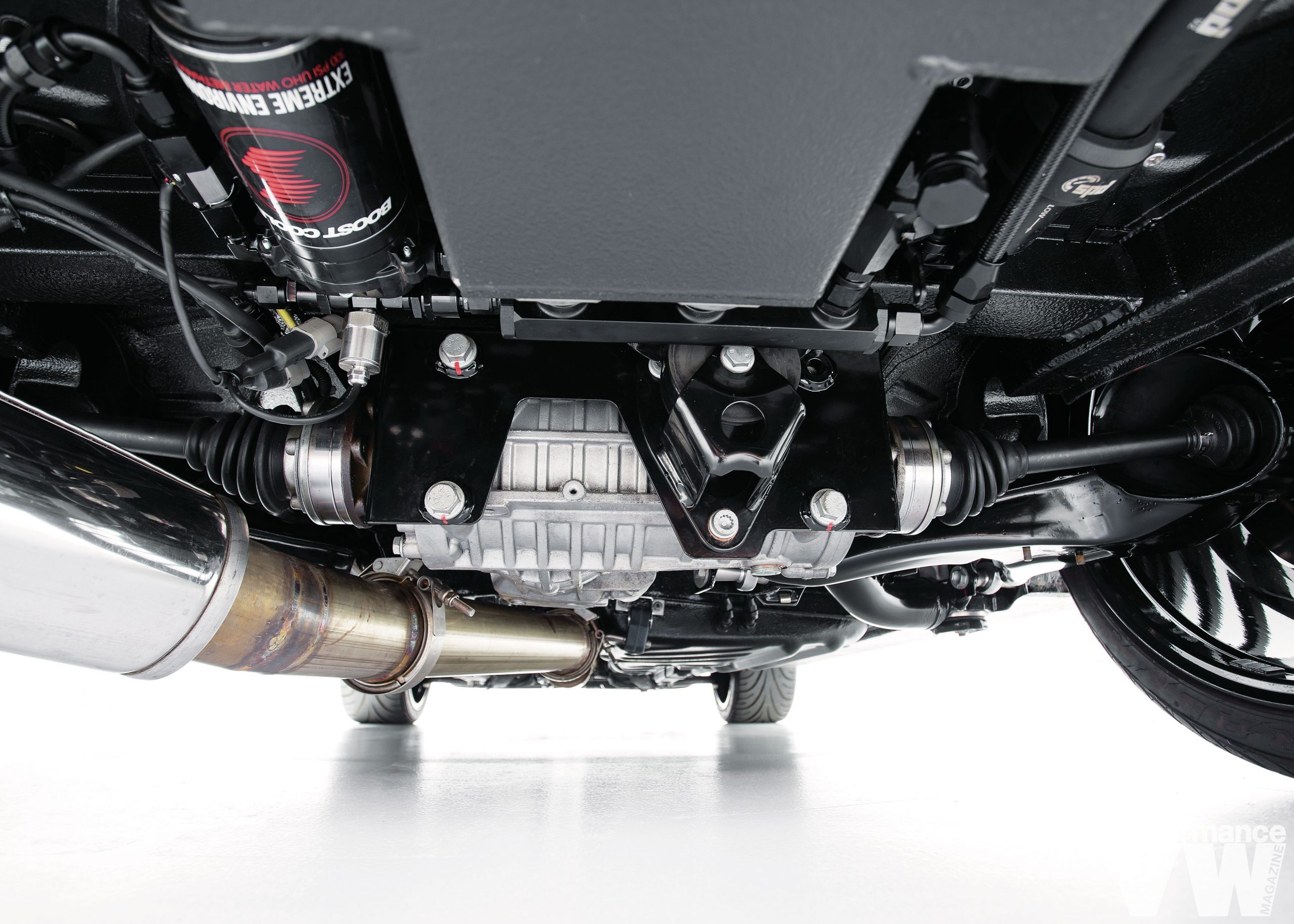
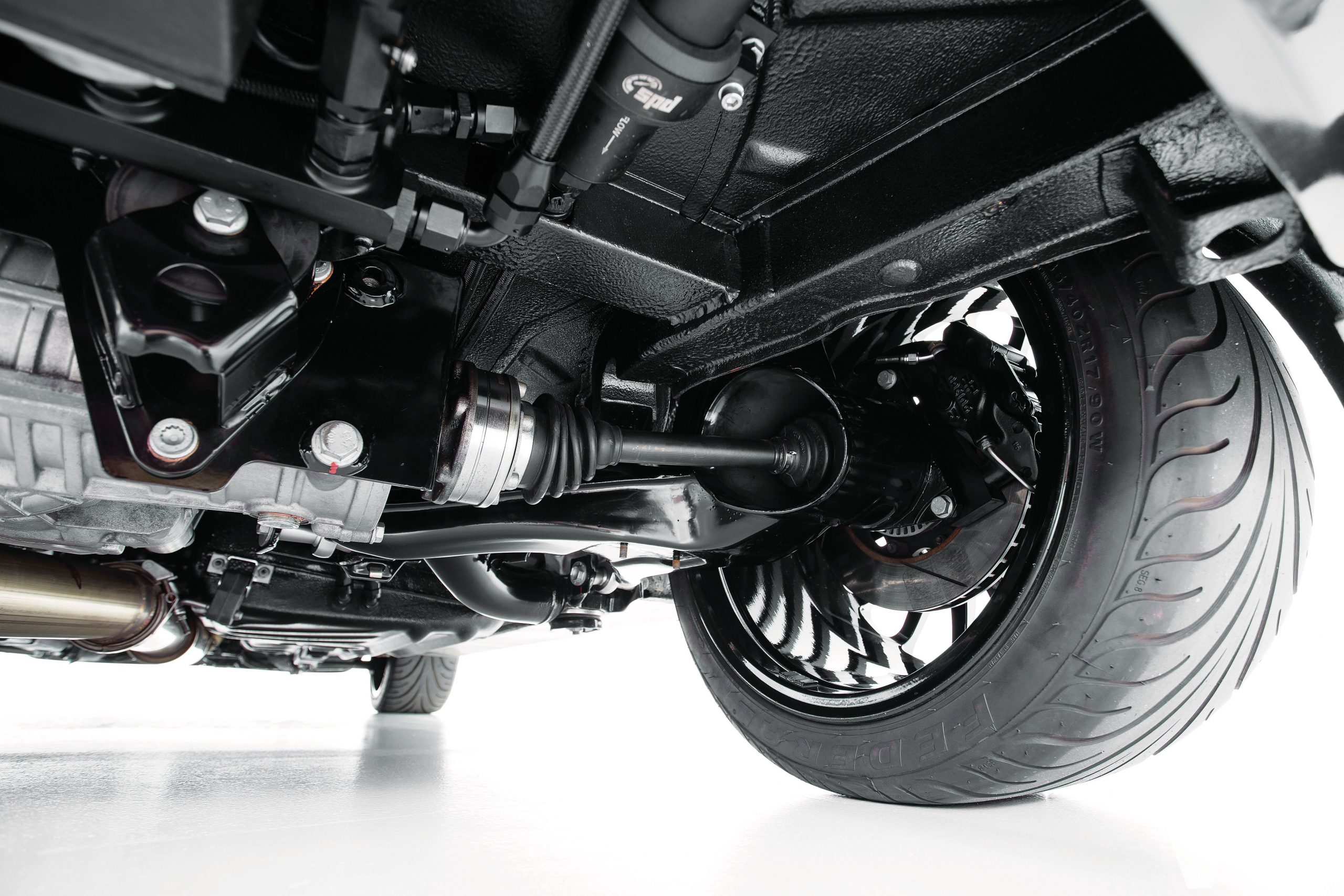
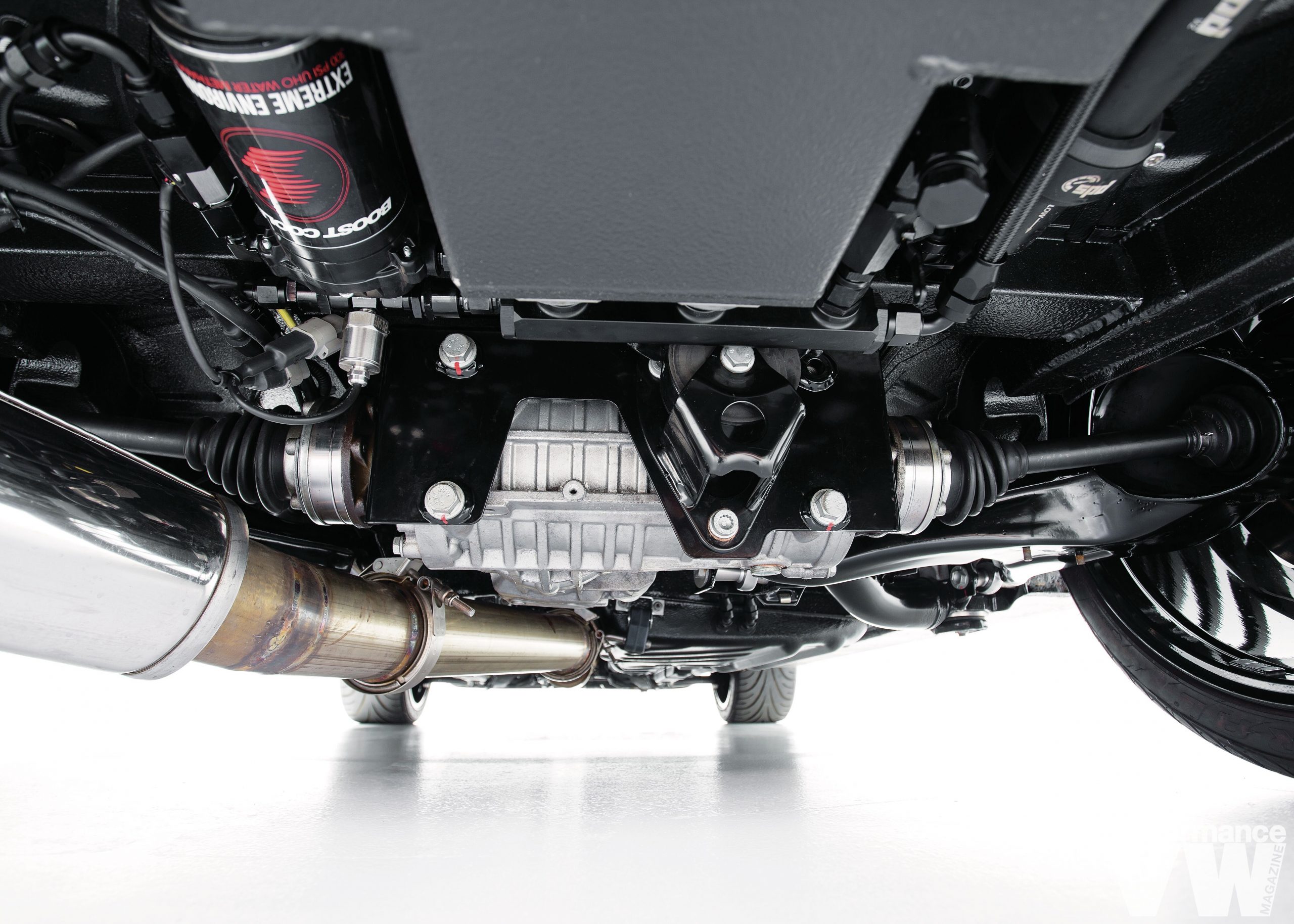
There are no half measures in the restoration side of this build. The shell was sand blasted back to bare metal, epoxy coated and cavity waxed to prevent rust coming back through, then structurally refined as the project continued to evolve. That’s included replacing everything under the car from the bulkhead back, replacing the floorpan, raising the transmission tunnel by 12cm and adding mounts under the boot for the 4Motion system, which also required notched chassis legs to avoid driveshaft clearance issues.
My target power figure kept getting bigger. At first I wanted 500hp and then I had my first experience with a tuned RS3
“The body has a lot of new-old stock parts and extra welding in many places, as it needed to be reinforced for extra stiffness. I’ve added a roll cage, which helped, and OE reinforcement plates in the inner wings from a Mk1 Cabriolet. Those are no longer available new, and it’s a lot of work to take them off the original chassis and clean them up ready to be re-used. Luckily, I really enjoy welding.”
Investing that time into the shell allowed the spec sheet to continue swelling. Ricardo got as far as building and even test-fitting a 1.8T, lured by the ease of working with one of the most tuneable engines Volkswagen has ever produced. However, it never got as far as turning a wheel – there’s more to this car’s sensory assault than outright performance. Soundtracks are influential.
“My target power figure kept getting bigger,” he laughs, unlatching the Aerocatches from the carbon fibre bonnet. “At first I wanted 500hp, which meant the 4Motion conversion was a necessity, and then I had my first experience with an RS3. I was sold on the sound of the five-cylinder straight away, and I had to have one. That’s when the Golf became increasingly extreme and went more down the motorsport route. I’ve continued to add to the build, because I wanted to distinguish myself from the other cool projects out there.”
Consider that box ticked. Four-figure horsepower is a big ask in itself, but there’s as much effort in the presentation and packaging up front as there is in its ferocious performance, and the seed of that mechanical madness isn’t what you might expect. It’s based on a naturally aspirated 07K inline five used in the US-spec Rabbit, Golf and Jetta – and it was the only one for sale in the Netherlands, too. Not that most of that purchase survived what followed.
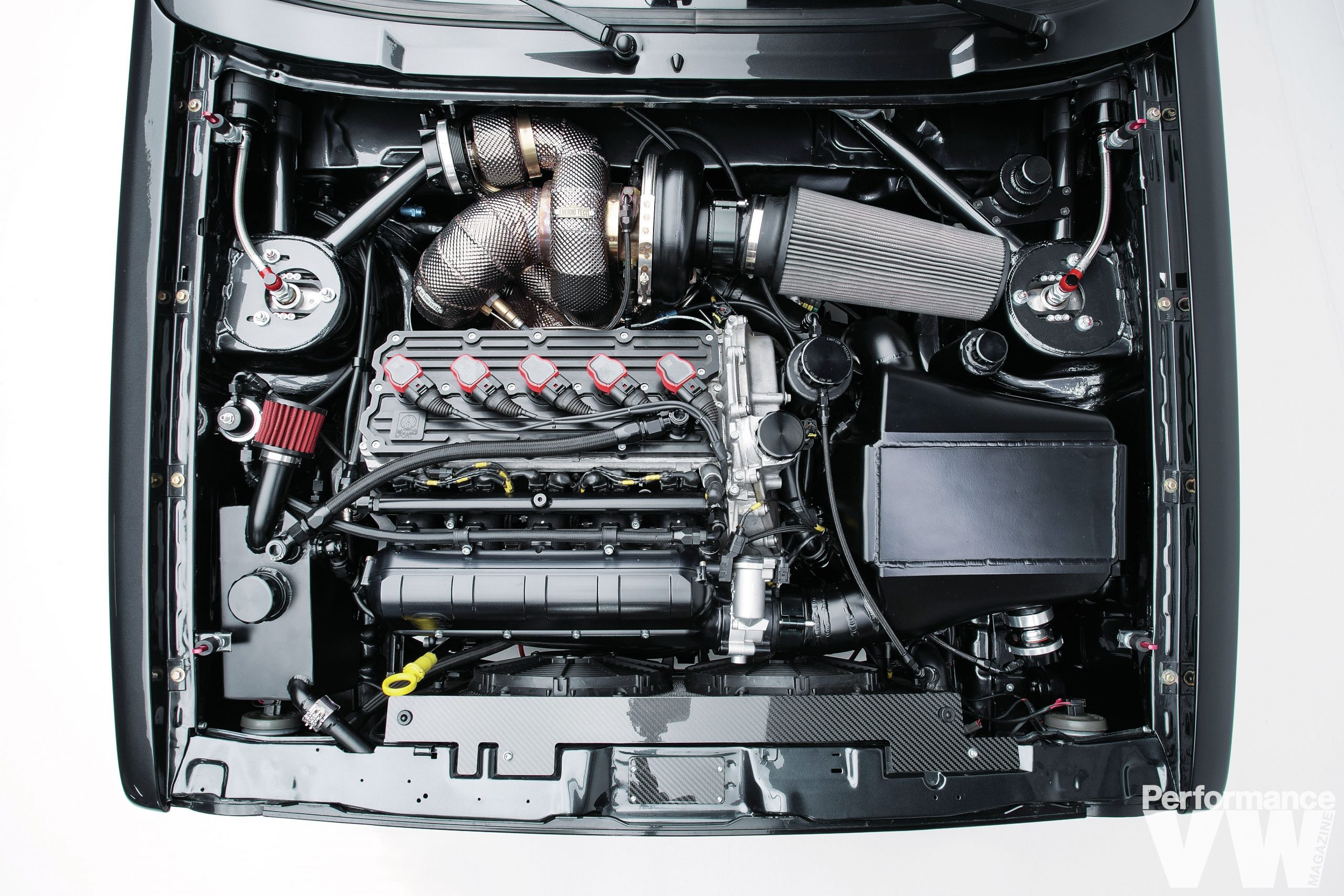
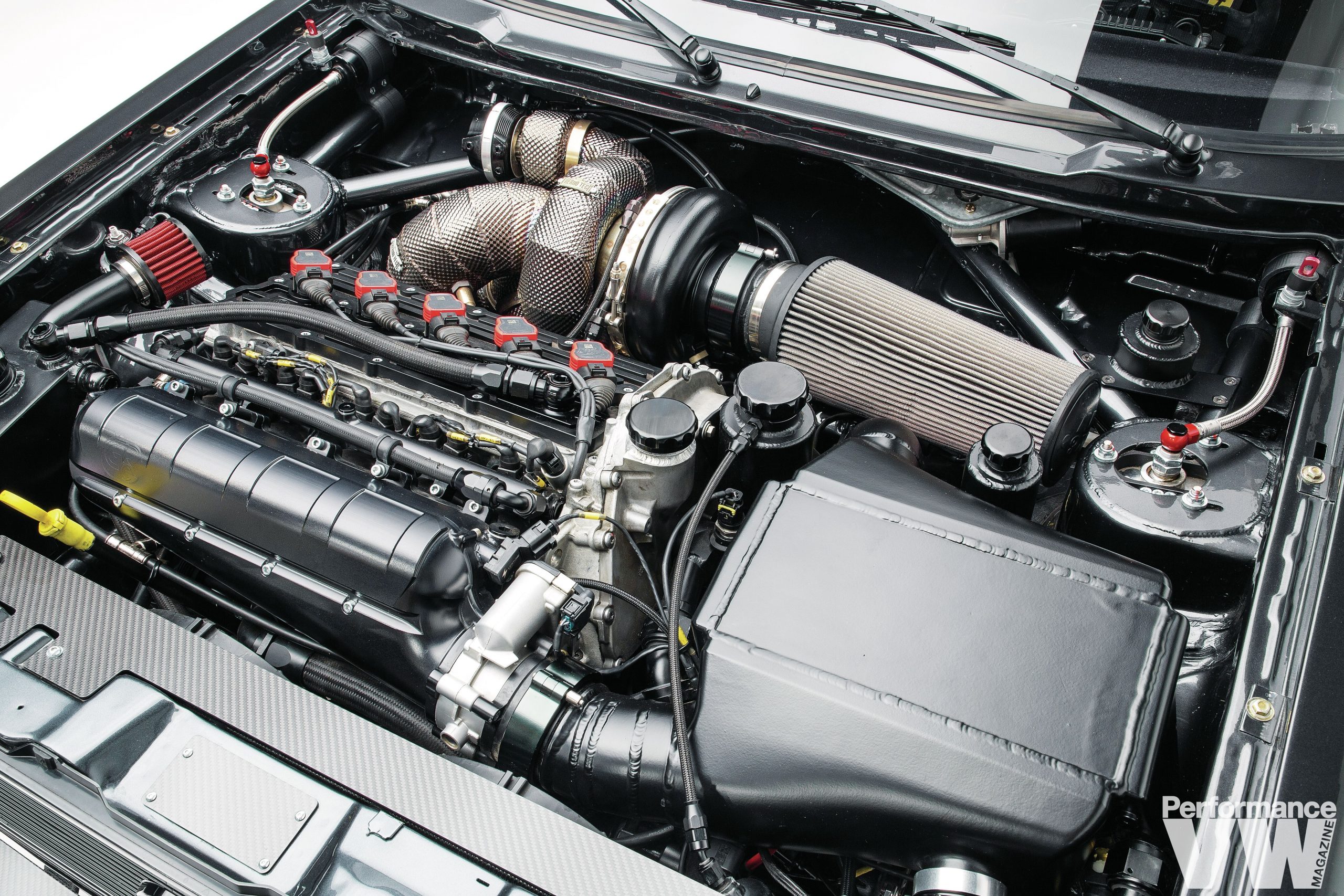
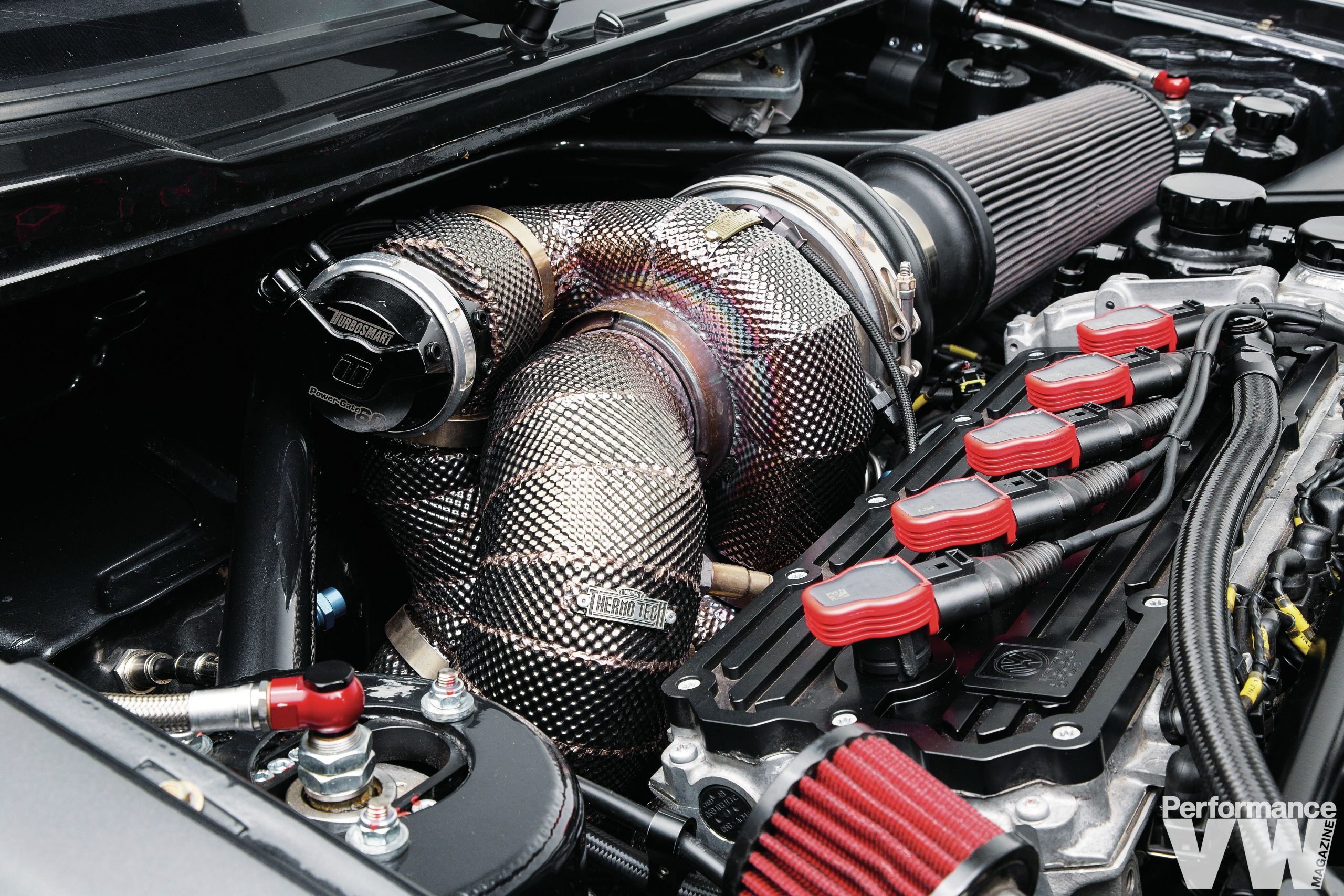
Conscious that over-boosting an ill-prepared engine is a shortcut to sweeping up oily metal shards from the side of the road, Ricardo took no chances with the spec. The block was bored and honed using a torque plate, which simulates the distortion of a bolted-down head and ensures the most precise tolerances, while all of the rotating parts, including the stronger RS3 crank and uprated pistons and rods, are balanced. They’re also paired with billet bearing caps and uprated studs to keep everything where it should be when the Garrett turbo starts to work its magic.
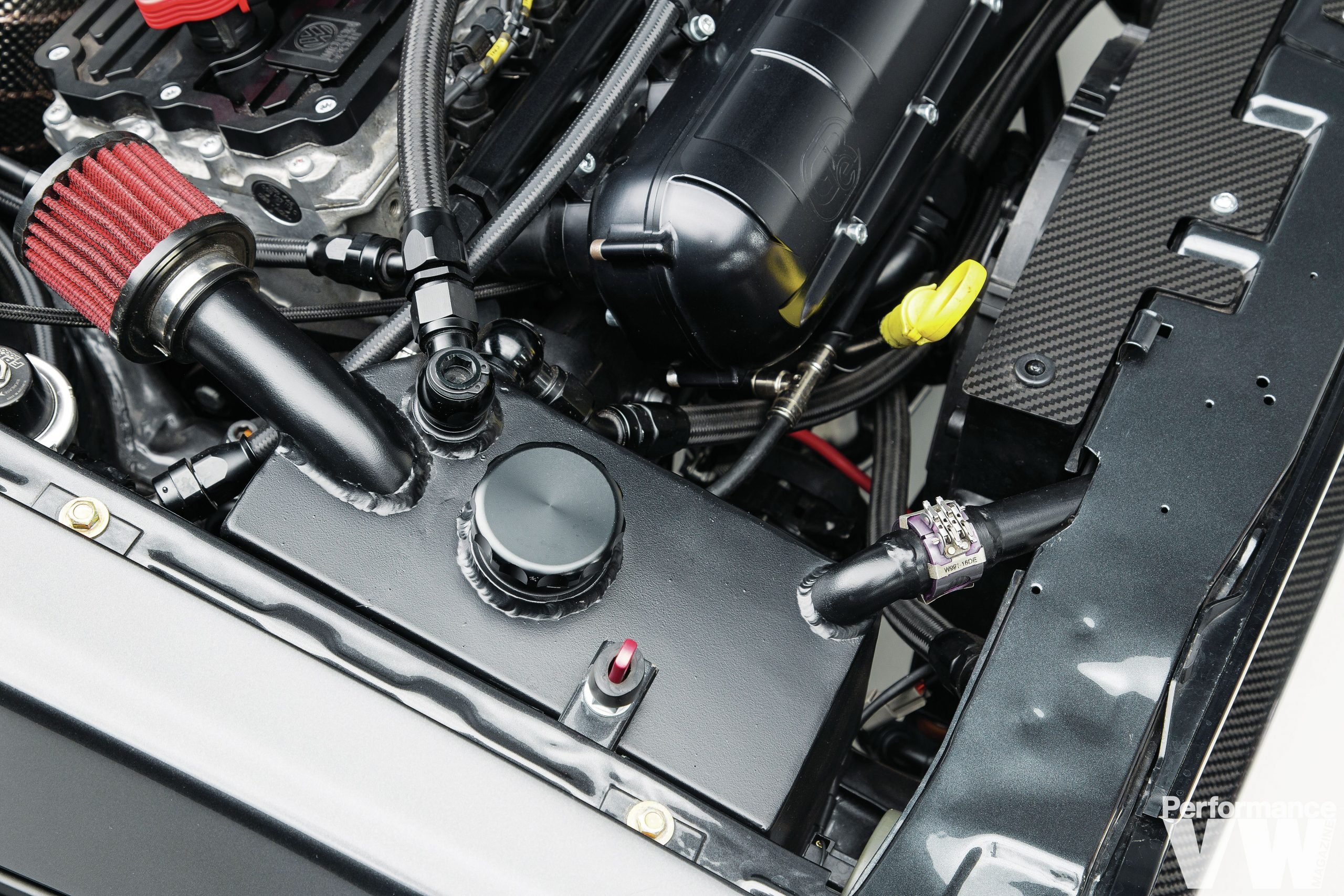
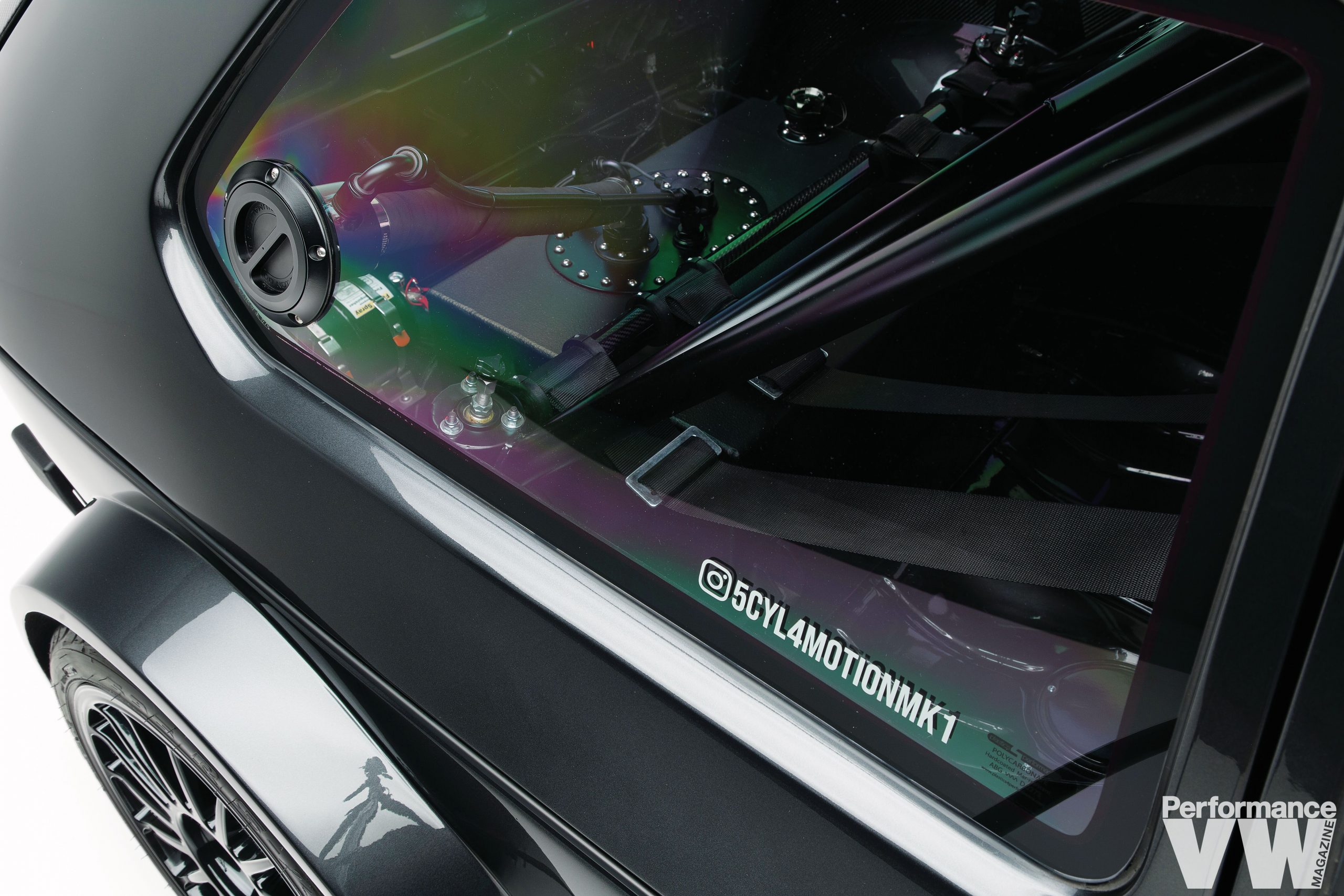
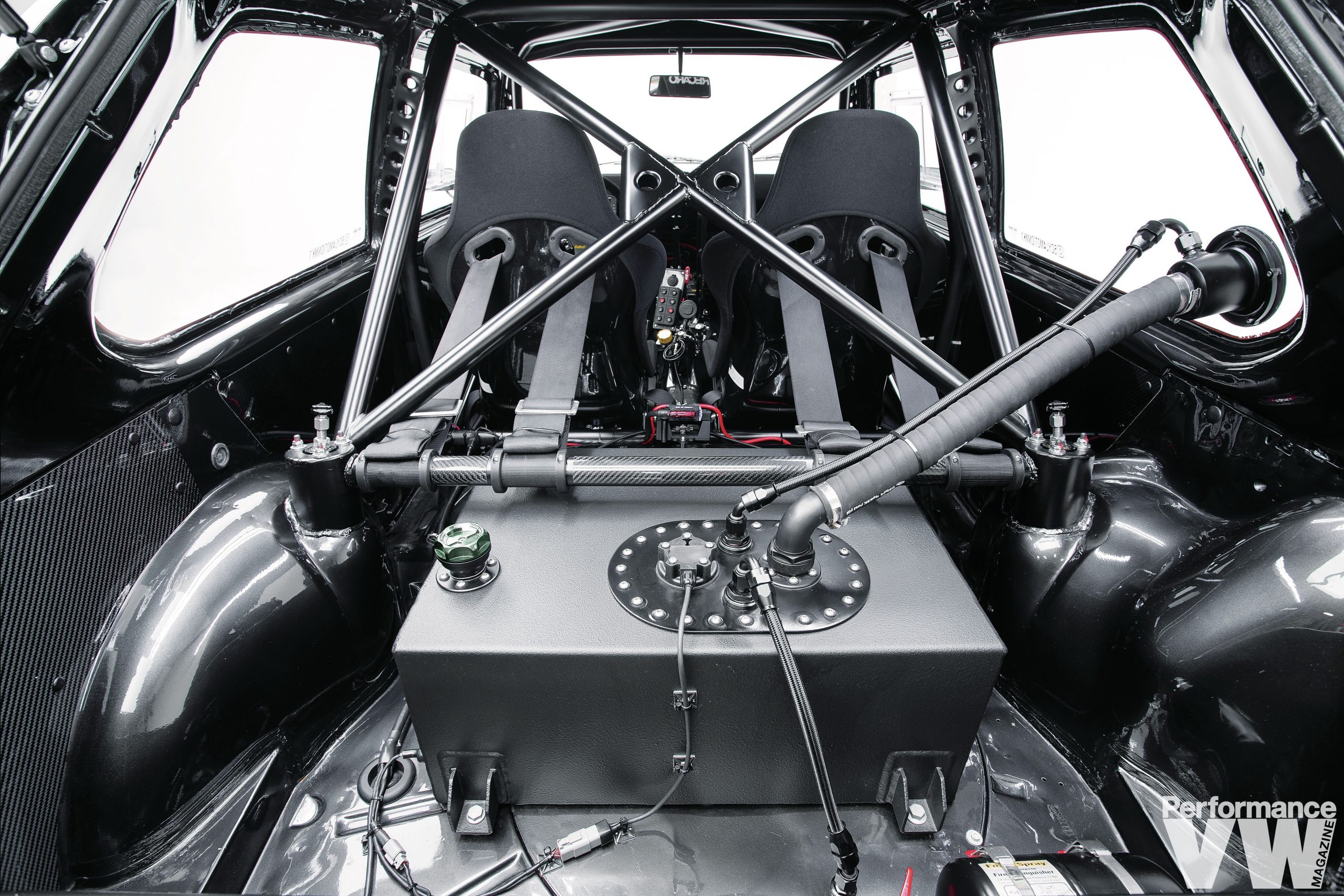
The turbo itself is an easier spot, heat wrapped and packed into the rear of a de-scuttled engine bay on a custom manifold with a 3.5-inch stainless exhaust run to the back of the car. Every bottleneck from the turbine to the ported head is gone, with bespoke pipework channelling air through a water-to-air intercooler and 82mm throttle body mounted on a billet RS3-style inlet manifold. It takes a massive 15 injectors – ten for fuel, five for water-methanol, both supplied from a custom-made two-in-one-tank in the cabin – to make sure every pound of boost is put to good use.
The max speed in fourth gear is 162mph and it still has fifth and sixth left…
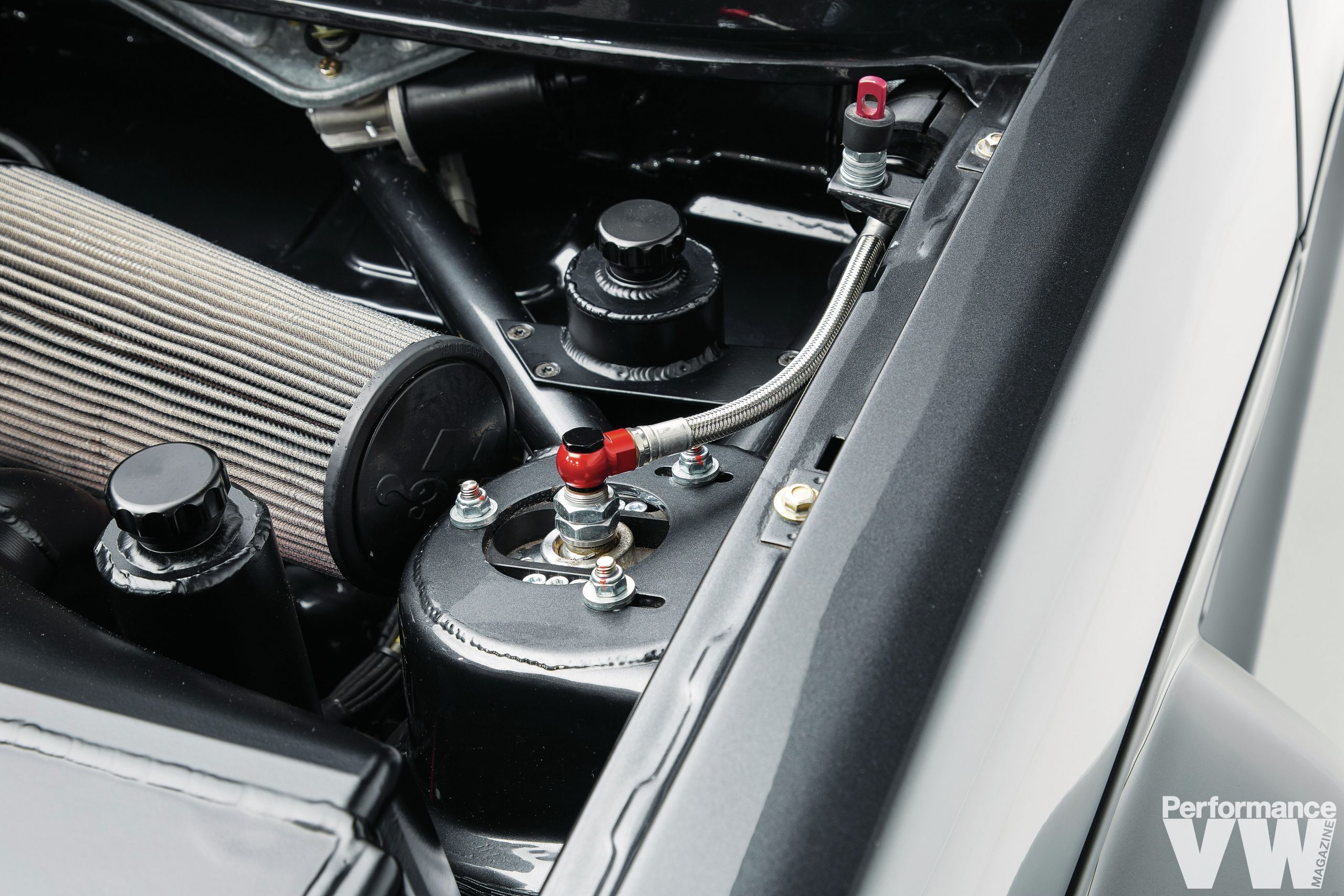
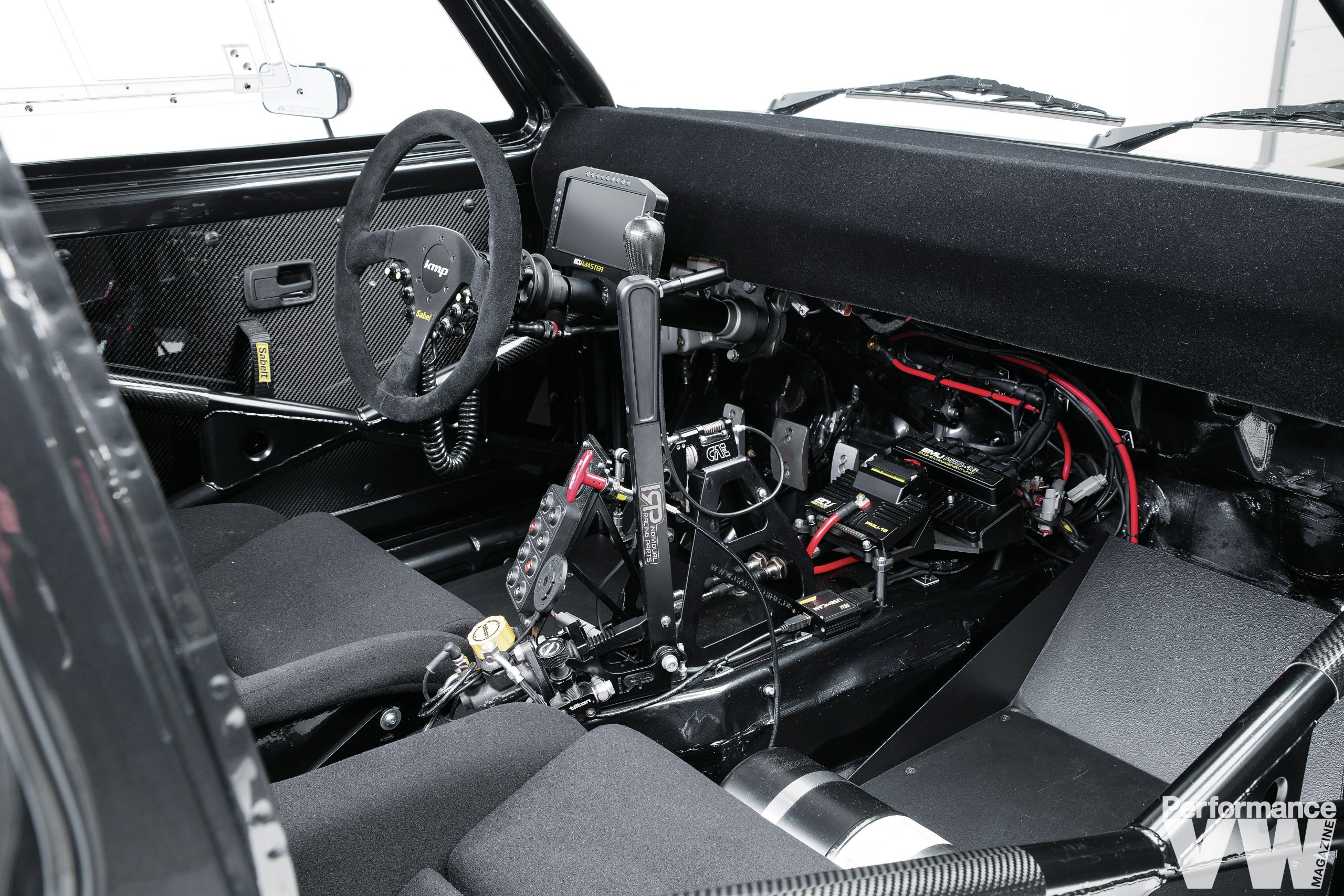
Naturally, there’s an equally sophisticated suite of electronics making everything tick. Ricardo fitted the full package of Ecuworks engine and power management units, complete with digital dashboard displays and scratch-built wiring loom, to keep the powertrain in check and even considered future serviceability. With barely any space to get in and work on the Golf’s powertrain, the entire front panel is removable, while the cooling package sits on a tubular front crossbar that ties into extra bracing on the shock towers. All things considered, it’s amazing he’s retained so much of that familiar styling.
“The most difficult parts of a project like this are time and money – they’re always limiting factors, but so is motivation,” he tells us. “Sometimes that’s a bit lacking, or you start having doubts. In those cases, it’s better to take a step back and look at it again with a fresh perspective. It’s become more and more extreme since I opted for the five cylinder.”
There are some traces of 1.8T in here. The transmission is based on the tough O2M ‘box, normally found bolted to the 225hp BAM engine, and it puts power to all four wheels through a Syncro rear beam modified for a more modern Haldex diff. However, that’s where the mechanical similarities stop. Open this one up and you’ll find a six-speed dog gearset supplied by drag pros Don Octane, with billet parts replacing every weak link in the chain, a Gripper limited-slip differential and Sachs twin-plate clutch, all fitted during a rebuild at Ladedruckzone in Germany. And no, you won’t find Volkswagen Group part numbers on the driveshafts or three-piece prop.
Ricardo continues: “Originally, I built the gearbox as a four-speed, but on the first dyno session we realised it had the wrong final drive ratio. The maximum speed in fourth gear was only 170km/h (106mph), so I opened it all up and added the longest diesel final drive and two more dog gears. Now the maximum speed in fourth gear is 260km/h (162mph) and it still has fifth and sixth left…”
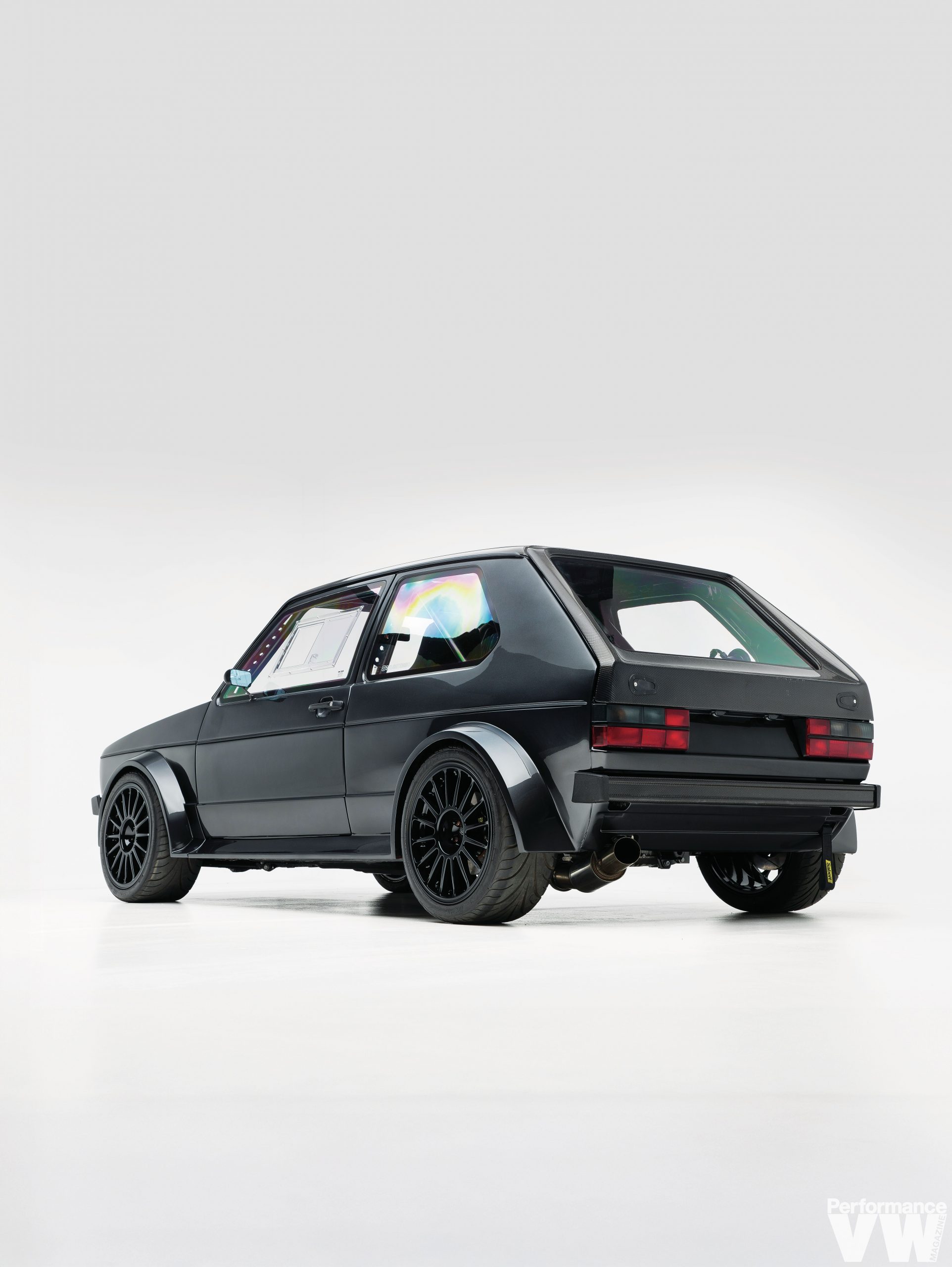
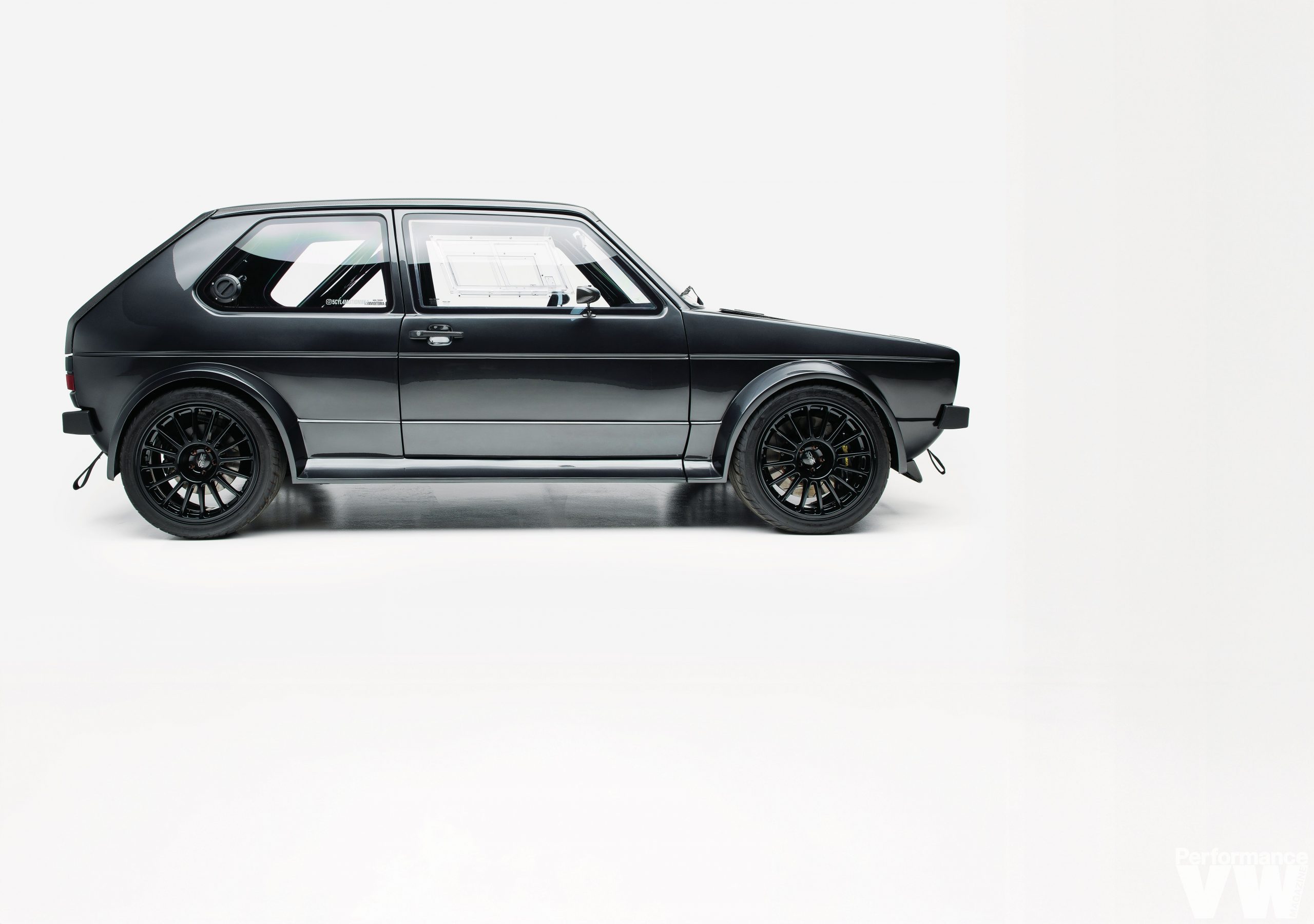
There’s no simple solution to putting that power down effectively. The Golf has raised shock towers with weld-in camber plates up front and uses a custom set of Intrax 1K2 coilovers with a clever system that mechanically adjusts damping on the fly, which keeps the car flat while cornering and also soaks up the bumps in the road. Most of the parts are based on a Mk3 VR6, including the five-spoke hubs, and converted to uniball to offer freer movement than the stock ball joints, while AP Racing brakes have the unenviable task of scrubbing off the powertrain’s head-scrambling talent for piling on speed. They’re tucked tightly behind the spokes of the same rare O-Z wheels used by the Seat Toledo Super 2000 BTCC car, now wrapped in entirely necessary semi-slick tyres.
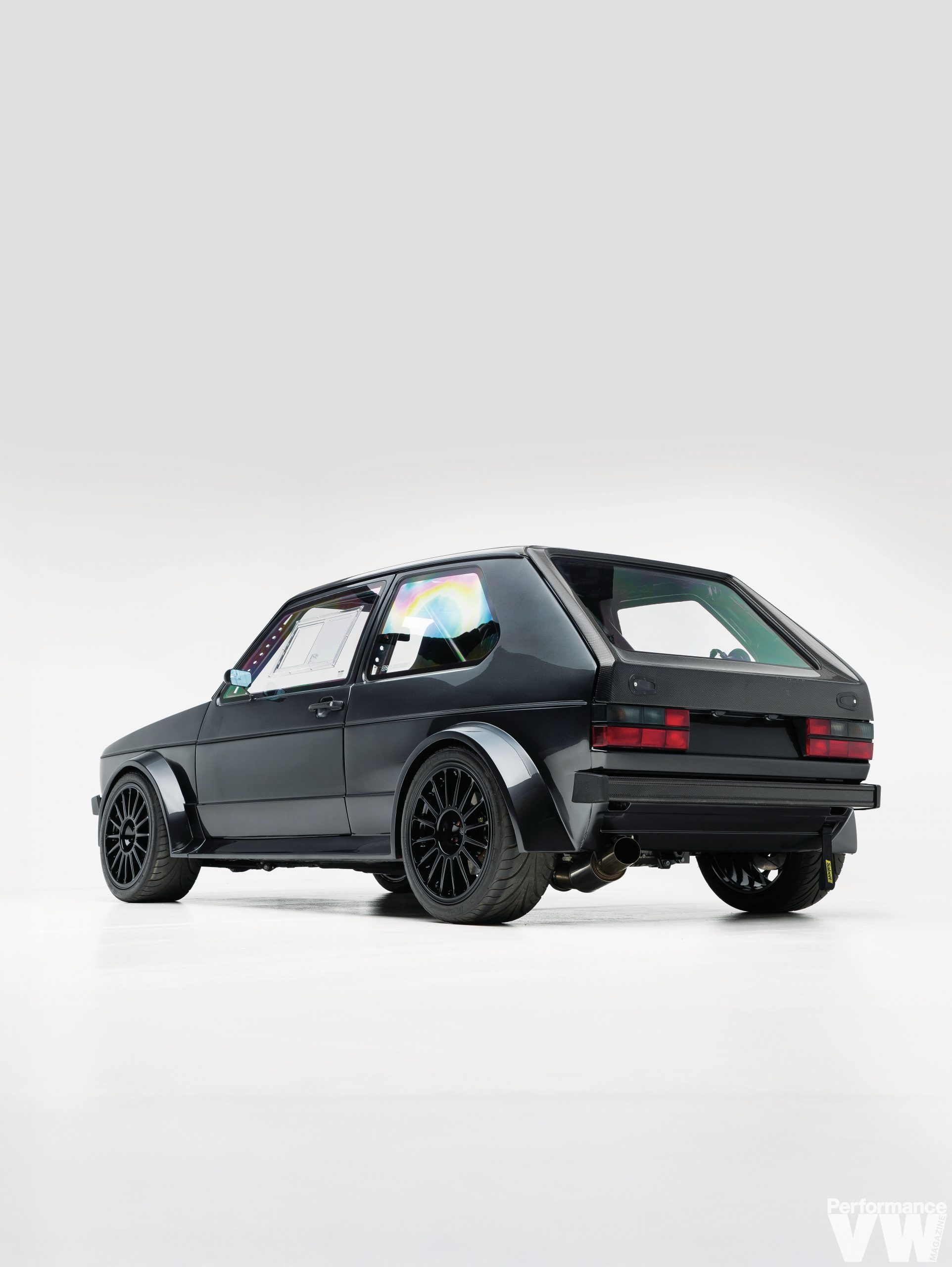
Although it’s clearly non-standard, there’s some impressive attention to detail involved in the Golf’s most visible parts. The Berg Cup style arches and sills were fabricated in metal and mimic the shape of the factory pressings, while the carbon fibre bumpers backdate the body to the slimmer pre-78 style while allowing some extra air into the cooling pack up front. Large sections of the body are no longer made of steel or plastic, including carbon for the bonnet, roof, tailgate and splitter, while the doors are lightweight GRP and the windows are polycarbonate. It’s easy to miss that aggressive weight saving when the holographic weave of the exposed fibres almost matches the ceramic-coated Mk7 Carbon Steel Grey Metallic paint.
I’d like to try a few more drag racing events in 2026 and really start enjoying what I’ve built
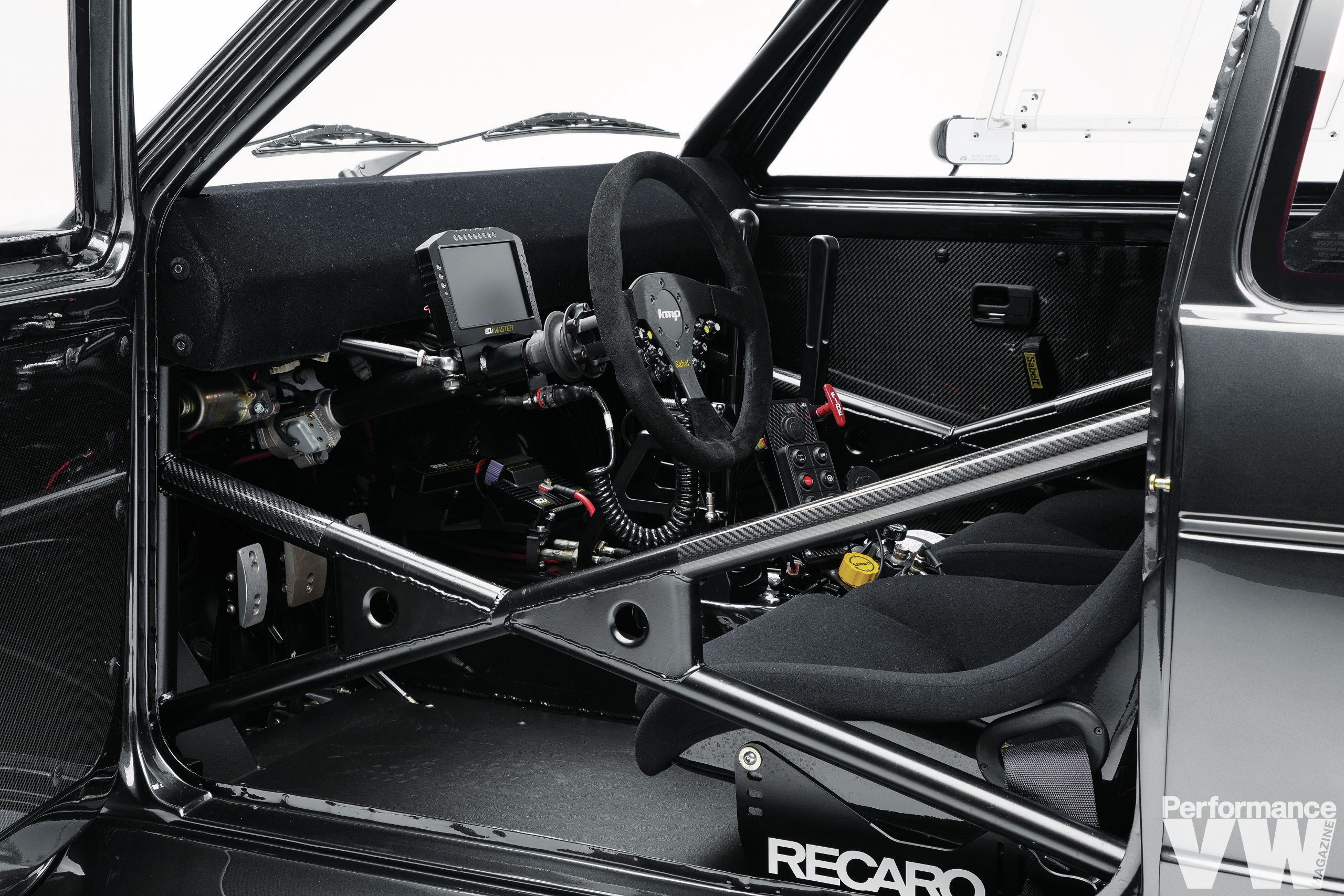
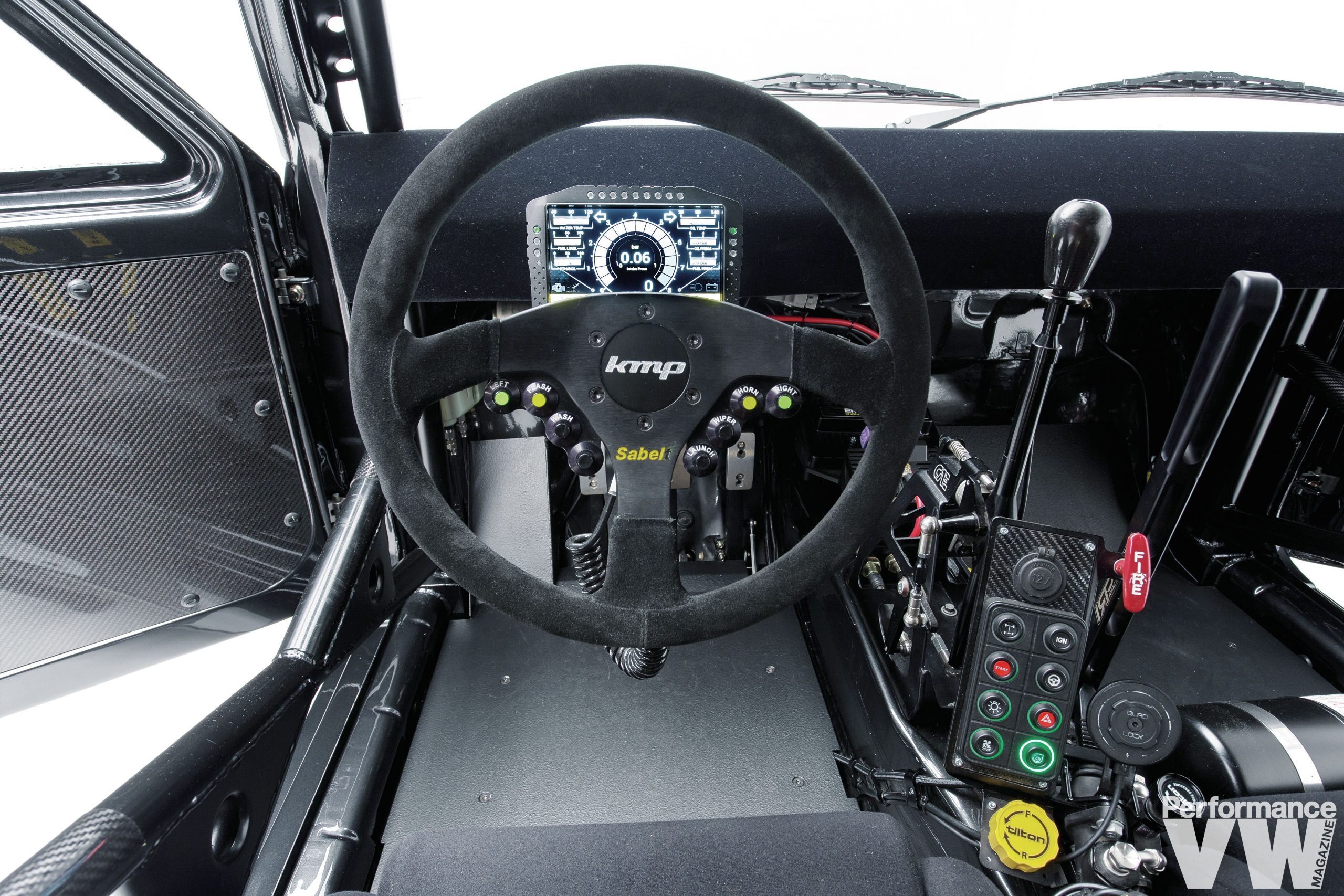
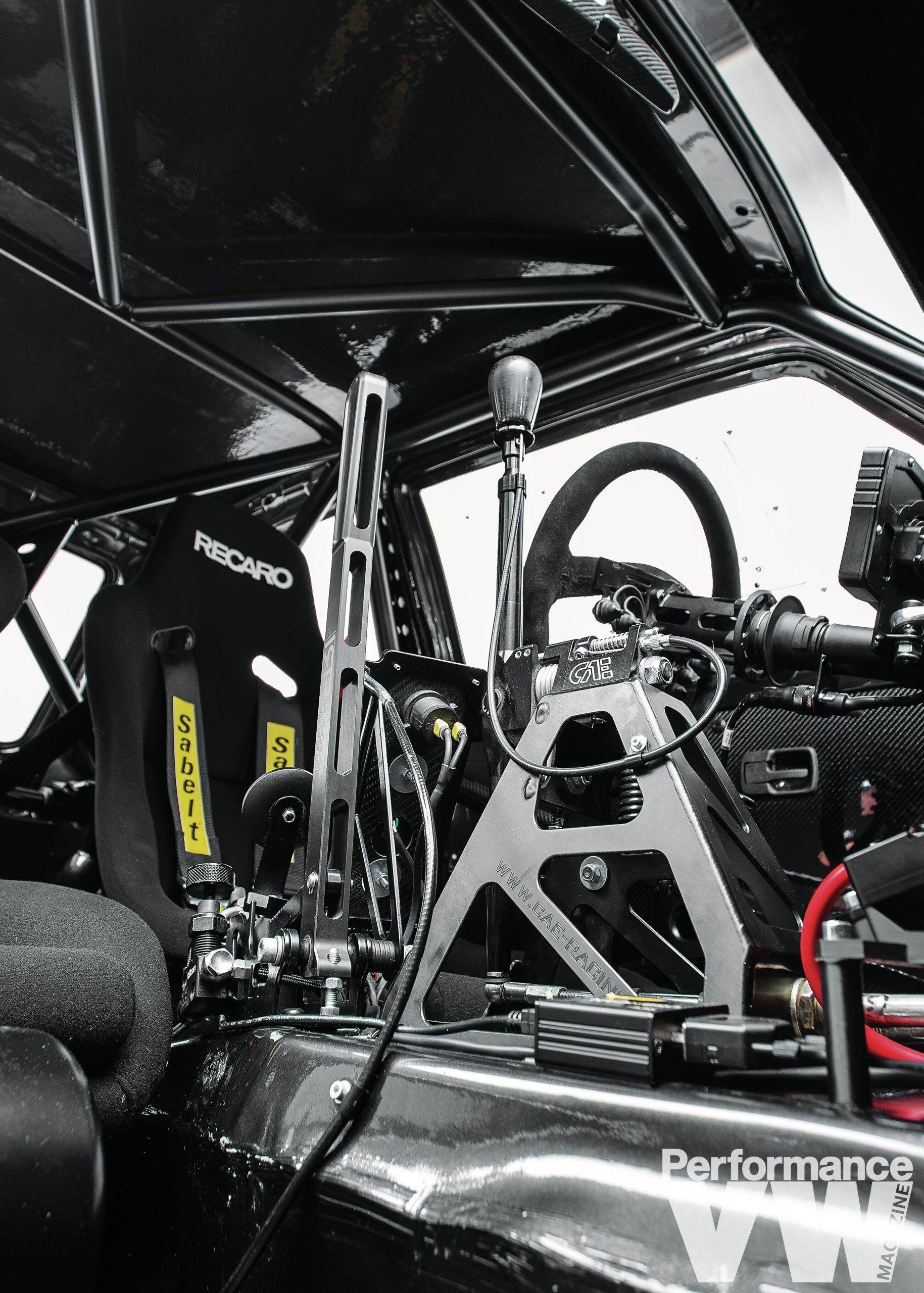
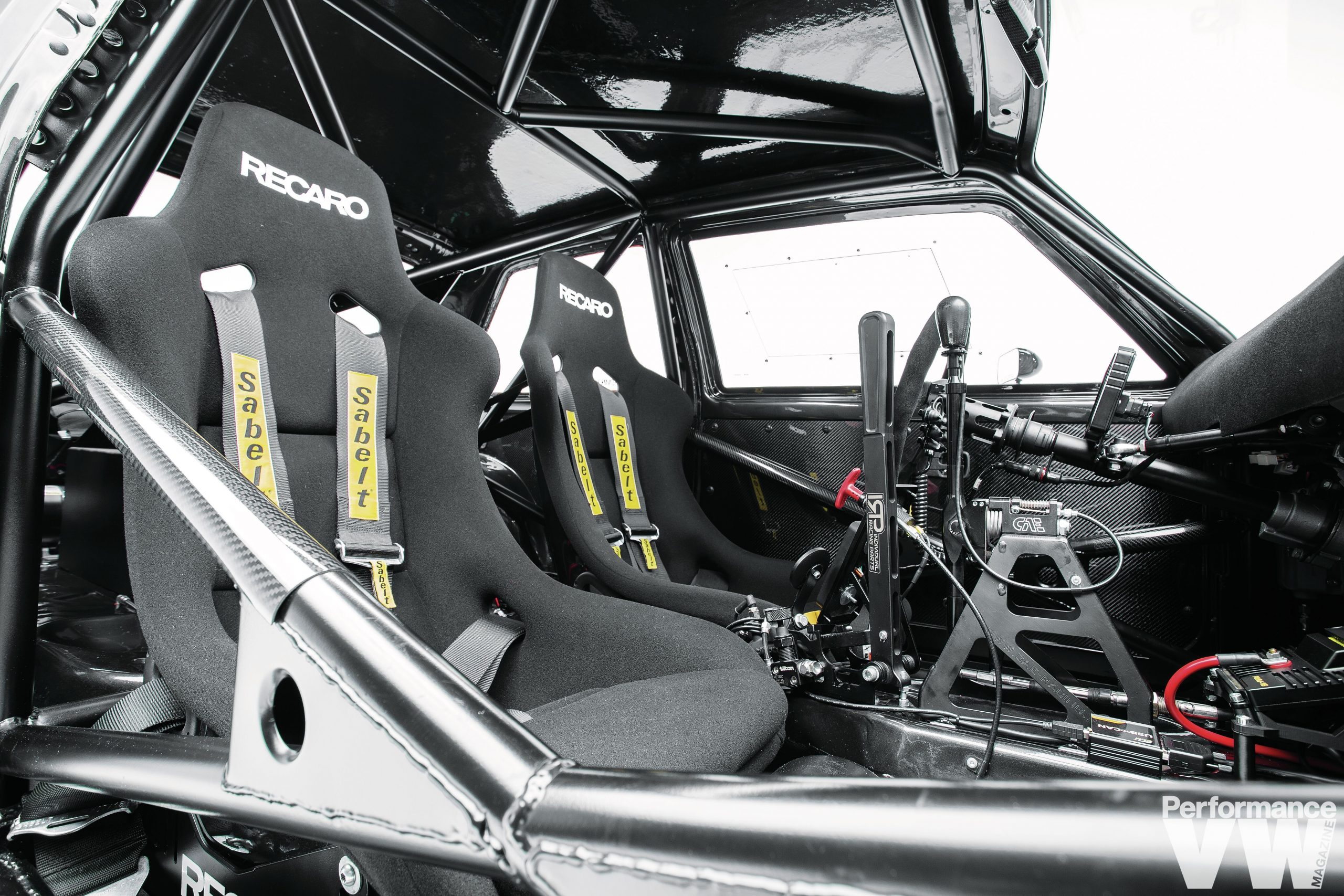
Inside, it's function over form, and just as impressive in its execution as the rest of the car. The custom floorpan is almost fully exposed, hidden only by a pair of Recaro Pole Position buckets and fuel system in the back, while the Ecumaster display is set against a custom-made, flocked dashboard with a CAE shifter and switch panel positioned close to the driver’s seat for easy reach. Accented with carbon fibre and satin black, it’s almost too good to drive. Almost.
“The car is road legal and it weighs around 1080kg without me in it,” says Ricardo, breaking into a smile that says it all. “It’s surprisingly easy to drive, even at low speeds it’s a joy, and the dog gearbox works well despite not being ideal for road use. With the 4Motion it’s really driveable, and very fast. The acceleration is incredible and it always brings a smile to my face – which is good, because it took a long time to get here.”
And it’s still evolving, too. You’d forgive Ricardo for standing back and appreciating a build that’s taken this long and turned out this well, but he hasn’t exhausted his mechanical curiosity yet. By the time you read this, the Golf will be mid-way through some winter fine-tuning – including shedding some more kilos and fitting aftermarket cams to widen the power band towards the top end of the rev range. Just as important, it’ll also get to show what it’s capable of.
“No project car is ever really finished, but this one is almost there,” he says. “I’d like to try a few more drag racing events in 2026 and really start enjoying what I’ve built. There’s too much time and money in this car to ever let go of it.” We couldn't agree more…
Whatever happens next, he’s set a high standard for anyone set on exploring the limits of the Mk1 platform. Still very much an early Golf in weight, proportions and analogue driving experience, but with the mechanical brutality only modern powertrains can deliver, it turns out even the most familiar DNA still has room to evolve
DUB DETAILS
|
ENGINE |
2480cc, five-cylinder petrol (CBUA), bored/honed with torque plate, THE-Tuner billet main caps, bearing threads upgraded from M9 to M10, 4x thrust bearings, OEM RS3 CEPA crankshaft (balanced), ARP flywheel bolts, Gorter Race Engineering main and head studs, DP Engine Parts Race Series rods and 83mm 8.7:1 pistons (balanced), new OEM RS3 timing chain, oil pan, oil dipstick, crank pulley and oil pickup tube, ported cylinder head with +1mm valve seats, Supertech +1mm valvetrain kit, K&N 0880 4” 360mm air filter, custom intake pipework with MAP sensor, 4x M10x1 for pressure/temp sensor and 50mm BOV, Garrett G42-1200 compact 73mm 1.01AR turbo, Turbosmart Gen V PowerGate 60mm Wastegate, Turbosmart Gen V RacePort 50mm BOV, custom 42.4×2.6mm stainless steel manifold with billet collector, Thermo-tech heat isolation, 3,5” stainless steel downpipe, 3.5” full stainless steel exhaust system with 2x Powersprint silencers, Bosch 82mm DBW throttle body with billet V-band adapter to 3,5in, Gorter Race Engineering billet RS3 plenum, Gorter Race Engineering RS3 intake runners, Gorter Race Engineering RS3 fuel rail, Turbosmart FPR2000 AN8 fuel pressure regulator, 10x 1,200cc DeatschWerks injectors, 5x USRT water-methanol injectors with Snow Performance 300psi pump and black PTFE (AN6/AN4) hoses, iABED Industries billet valve cover, iABED Industries billet thermostat housing and AN20 flange, iABED Industries billet oil filter housing with built-in thermostat/oil cooler option, iABED Industries billet coolant flange AN20 head, custom billet bracket for Toyota Aygo 115-amp alternator, Landport LFP30 lithium battery, custom Tim’s Turbo Centrum motorsport-spec wiring loom throughout with Raychem DR25 heat shrink and tefzel wiring, Tim’s Turbo Centrum exhaust manifold pressure sensor, 6x exhaust gas temperature sensors, Garrett turbo speed sensor, 2x 4-port MAC boost control solenoid, Ecumaster EMU PRO16 management, 2x Ecumaster PMU16 power management units, Ecumaster battery Isolator, Ecumaster CAN 8 Keyboard, Ecumaster USB to CAN module, new OEM bolts, nuts, gaskets and o-rings throughout, black NBR coolant hoses (AN20), water-to-air coolant hoses (AN16) and oil cooler lines (AN10), black PTFE boost solenoid lines (AN4), Custom fuel tank, custom surge tank with 2x DeatschWerks DW350 fuel pumps, Gorter Race Engineering billet flex fuel sensor kit, 645x320x40mm aluminium radiator with 2x AN20 fittings, custom 1,500hp-rated water-to-air intercooler with CSF 8085 12x6x6in core and K-Tuned billet water pump, 540x310x40mm aluminium intercooler with 2x AN16 Wiggins clamps, 240x140x40mm oil cooler with 2x AN10 fittings, removable crossmember, 02M (MQ350) six-speed manual transmission with 4Motion – fully rebuilt by Ladedruckzone, Don Octane six-speed dogbox, MQ500 big spline axle, Gorter Race Engineering billet transfer box shaft, billet shift fork, Gorter Race Engineering flywheel, Sachs RCS200 twin-plate clutch, Gripper limited-slip differential, all bolts, bearings and seals renewed with OEM parts, custom uprated driveshafts and CV joints, custom three-piece prop shaft with cardan joints, custom billet engine mounts with Vibratechnics inserts |
|---|---|
|
CHASSIS |
9×17 (ET28) OZ Racing Superturismo wheels (powdercoated black), 235/45 Federal 595 RS-R tyres, electric power steering, custom Intrax 1K2 coilovers with ARC (anti-roll control), 45mm upside-down front inserts, bump/rebound adjustment, weld-in camber plates (front), custom rear uniball top mounts in raised shock towers,, custom uniball front wishbones, VR6 hubs with new bearings, Mk3 Syncro rear axle with Haldex swap, Mk3 Syncro wishbones converted to uniball, AP Racing four-piston CP5200 calipers with 330x28mm two-piece discs (front), AP Racing CP5111 two-piston calipers 280×25.4mm discs (rear), billet caliper adaptors, custom PTFE (AN3) brake lines, modified IRP hydraulic handbrake with Tilton master cylinder |
|
EXTERIOR |
Fully sand-blasted and reinforced shell with tubular front cross bar and removable front panel, Mk1 Cabrio reinforced wheel arch plates, transmission tunnel raised 12cm, boot floor and under-side mounts modified for 4Motion rear differential, 3M coating inside wheel arches and underbody, custom Berg Cup style arches and side skirts, 3M cavity wax for internal body parts, Carbon Steel Grey Metallic (LA9W) paint with sanded, polished and glass-coated, PPF by Waxim Detailing, carbon fibre pre-78 bumpers, carbon fibre bonnet with 4x Aerocatch latches, carbon fibre roof, carbon fibre tailgate with 2x Aerocatch latches, GRP light-weight doors, carbon fibre GTI splitter, carbon fibre APR GT3 mirrors, heated windscreen, polycarbonate windows with fuel filler, new-old stock GTD grille, new Hella headlights and indicators, reproduction black/red tail lights, new black logo and trims, Sabelt front and rear tow strapsxx |
|
INTERIOR |
Stripped with full roll cage (painted matt black), flocked dashboard, Ecumaster ADU7 display, Recaro Pole Position seats and aluminium brackets, Sabelt six-point harnesses, Tilton 600 Series pedal box, custom aluminium footplates, Sabelt fire suppression system with separate hand-held extinguisher, CAE shifter, Sabelt steering wheel modified for KMP buttons, carbon fibre door cards, Sabelt door handle straps, carbon fibre roll cage protectors, carbon fibre rear-view mirror |
|
SHOUT |
My girlfriend for letting me enjoy this hobby, my dad and younger brother for the extra helping hand I needed sometimes, and all of the friends who I have gotten to know over the past few years. |